
How Empty Nesting Changed the Way I Decorate
I thought empty nesting would feel like loss. In some ways it did. But it also gave me back the house. And I wanted to decorate it completely differently.

The Linen Obsession That Slowly Took Over My Home
It started with one duvet cover. Now linen is in almost every room of the cottage, and I have stopped apologizing for the wrinkles.
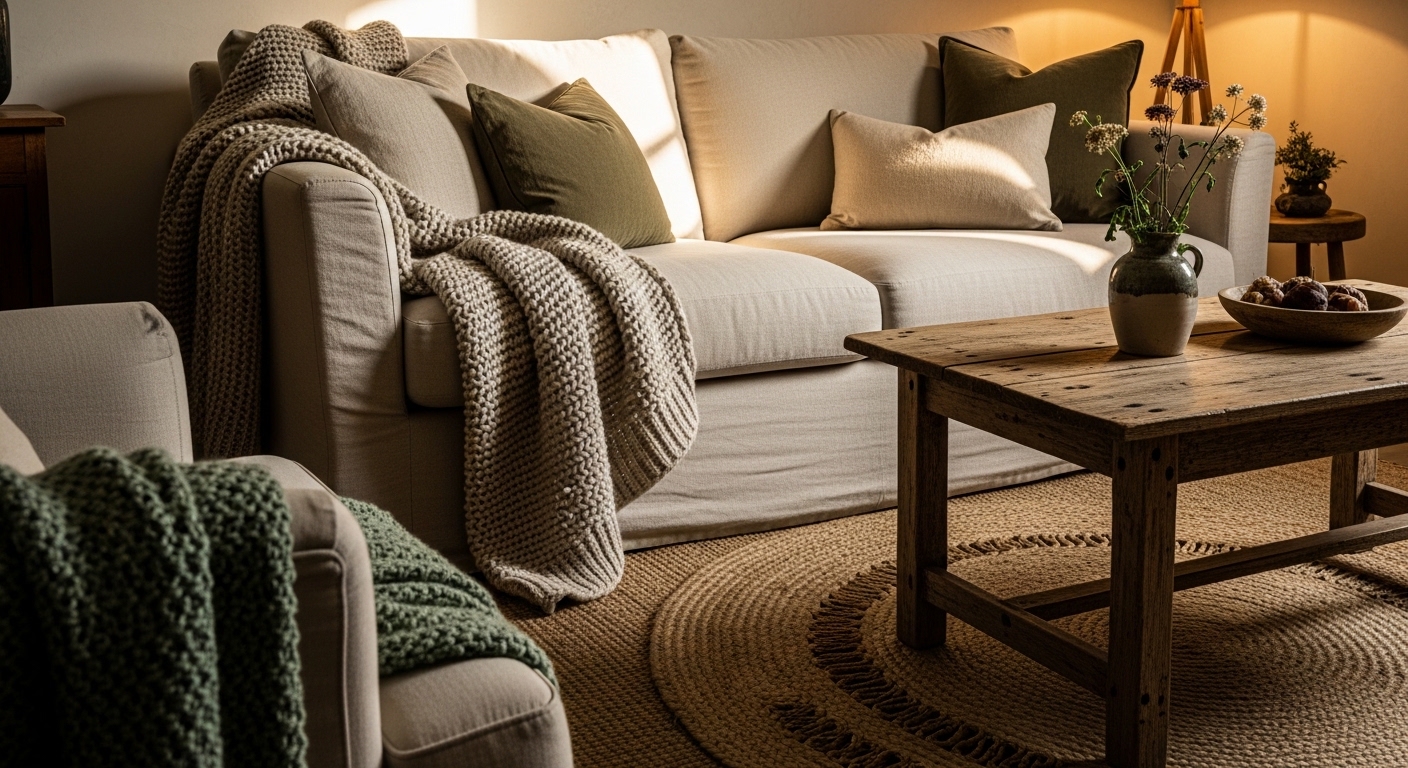
Reclaiming Our Master Bedroom After the Kids Left
For years the master bedroom was the room we fell asleep in. After the kids left, I decided it was time for it to become the room we actually wanted to be in.
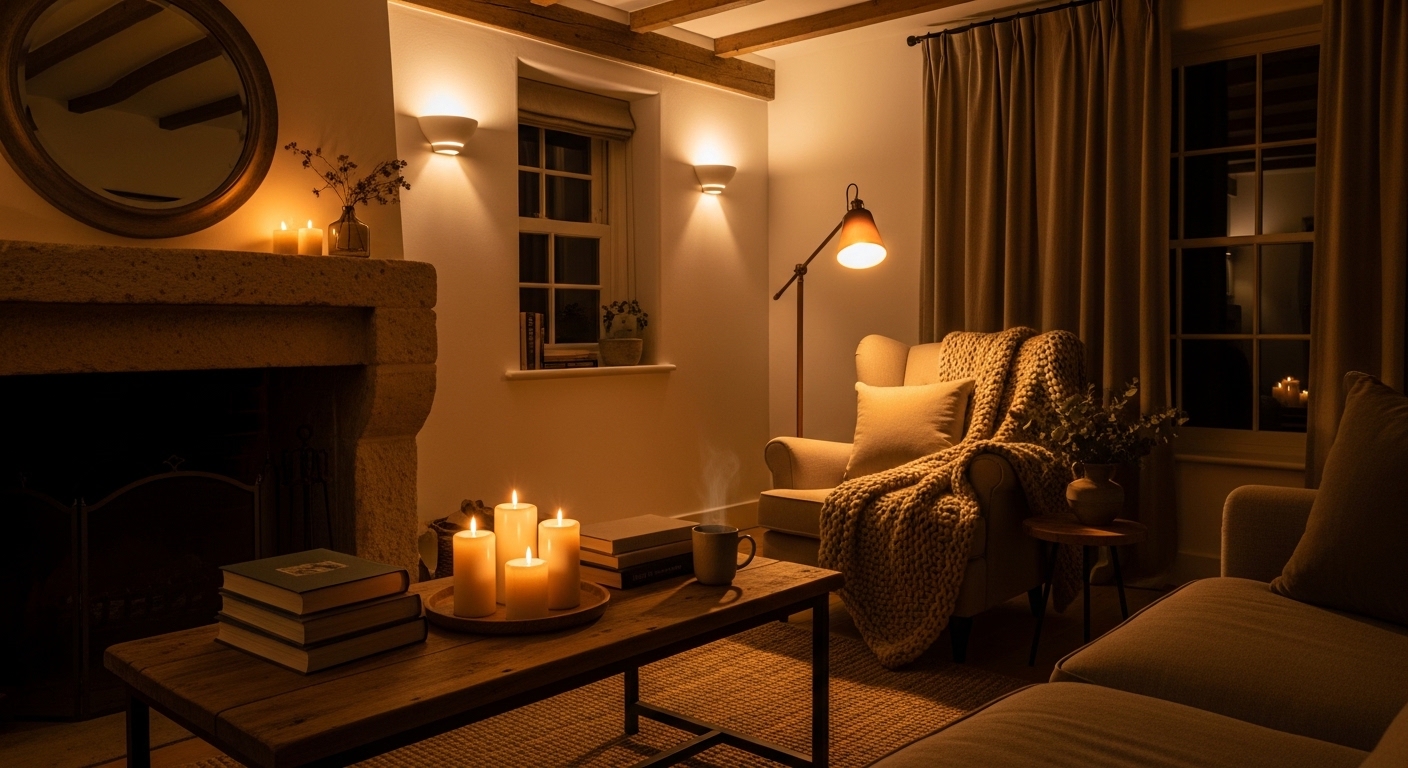
The Joy of Layered Textures in an Empty Nest
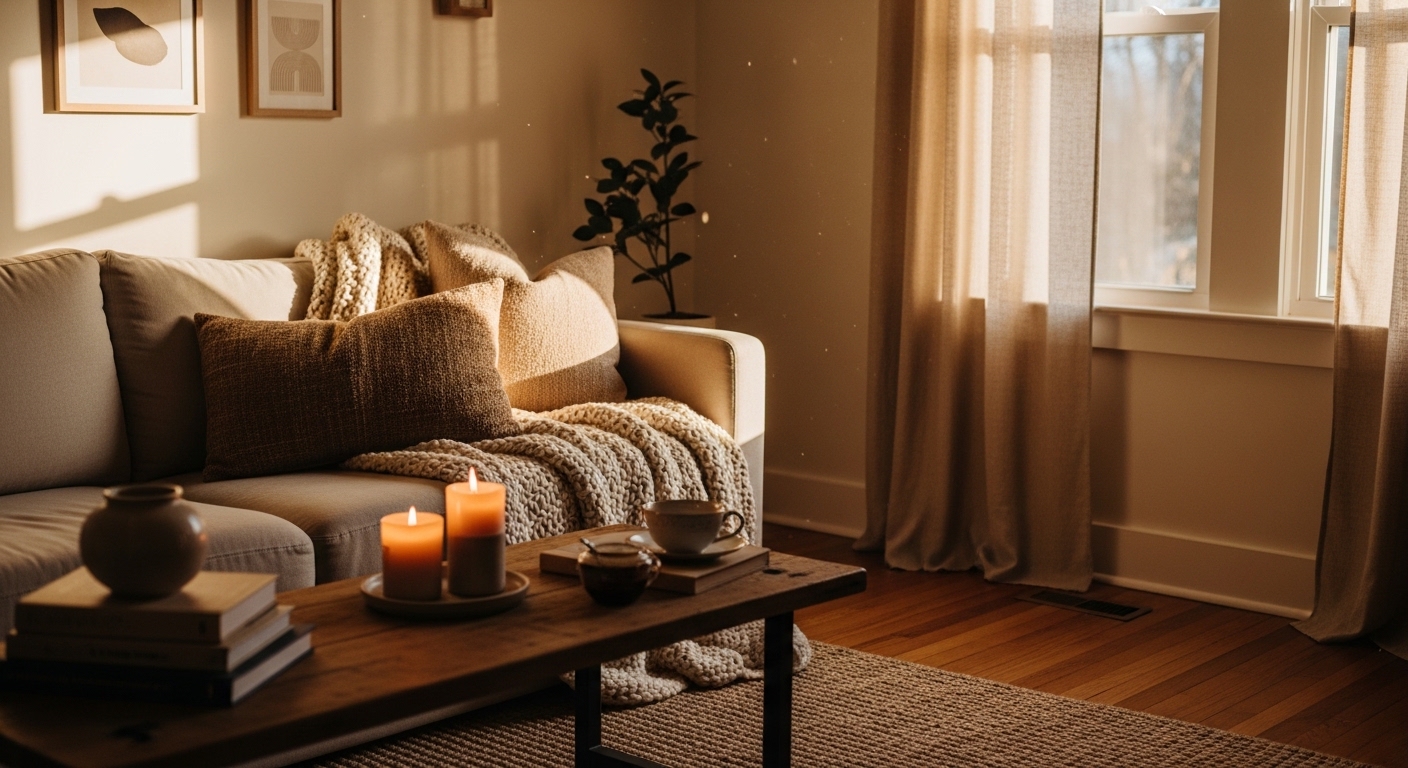
When I stopped needing every surface to be kid-proof, I discovered how much warmth comes from layered textures. And how lighting is what makes them visible.

Slow Home: My Philosophy for Lighting an Intentional Space
Slow living has a lighting corollary: fewer sources, warmer, dimmer, more intentional. Here is how that philosophy shaped every lighting choice in our cottage.

How a New Pendant Light Made Me Fall for My Kitchen Again
I had stopped enjoying cooking. The kitchen felt like a task. A new pendant light was not the obvious solution. And it was absolutely the right one.

How Asheville Mountain Light Shapes My Decor Choices
The light in Asheville is its own character, cool and silver in the mornings, then golden and low by four in the afternoon. Decorating here means decorating in dialogue with that.
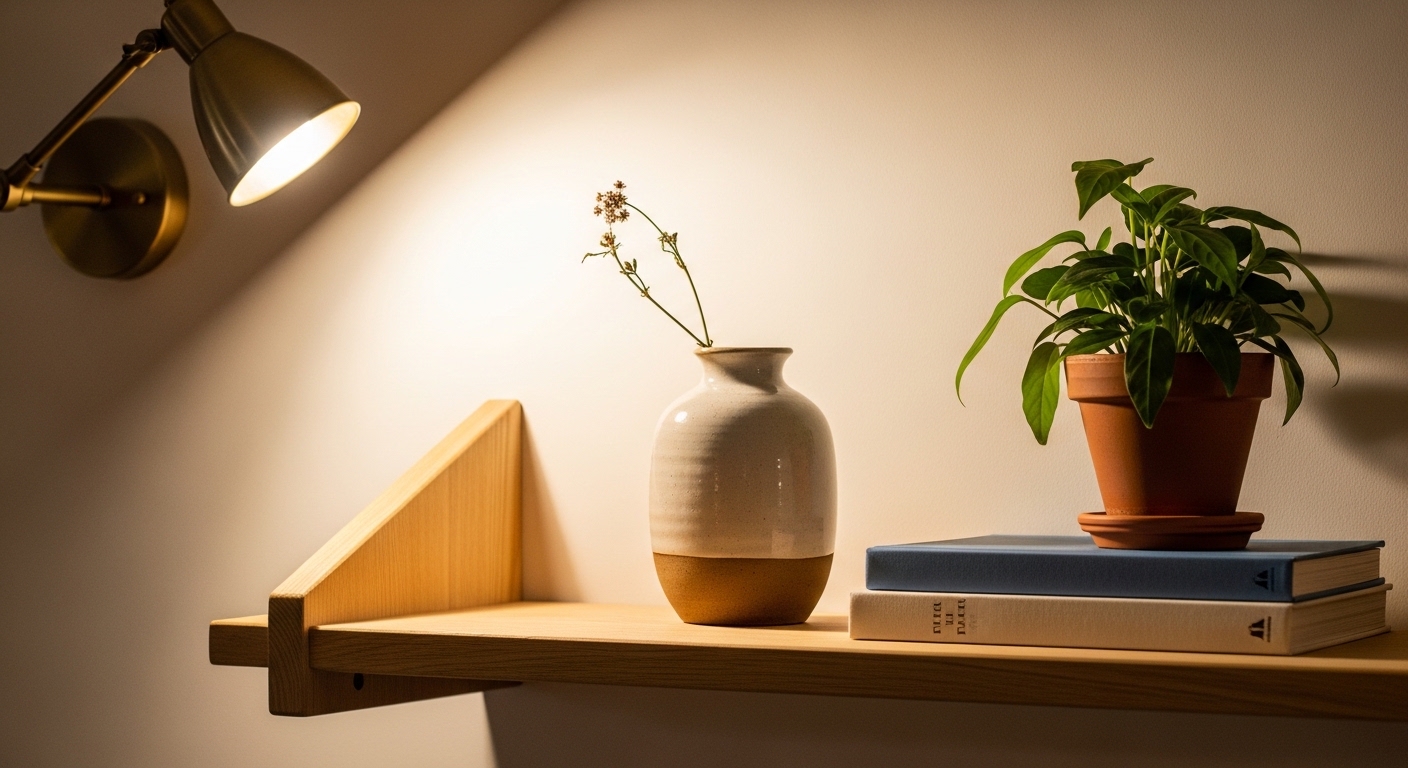
Linen Bedding and the Lighting That Makes It Glow
Linen bedding looks beautiful in daylight and even better under warm sconce light in the evening. Getting both right made our bedroom a room we never want to leave.
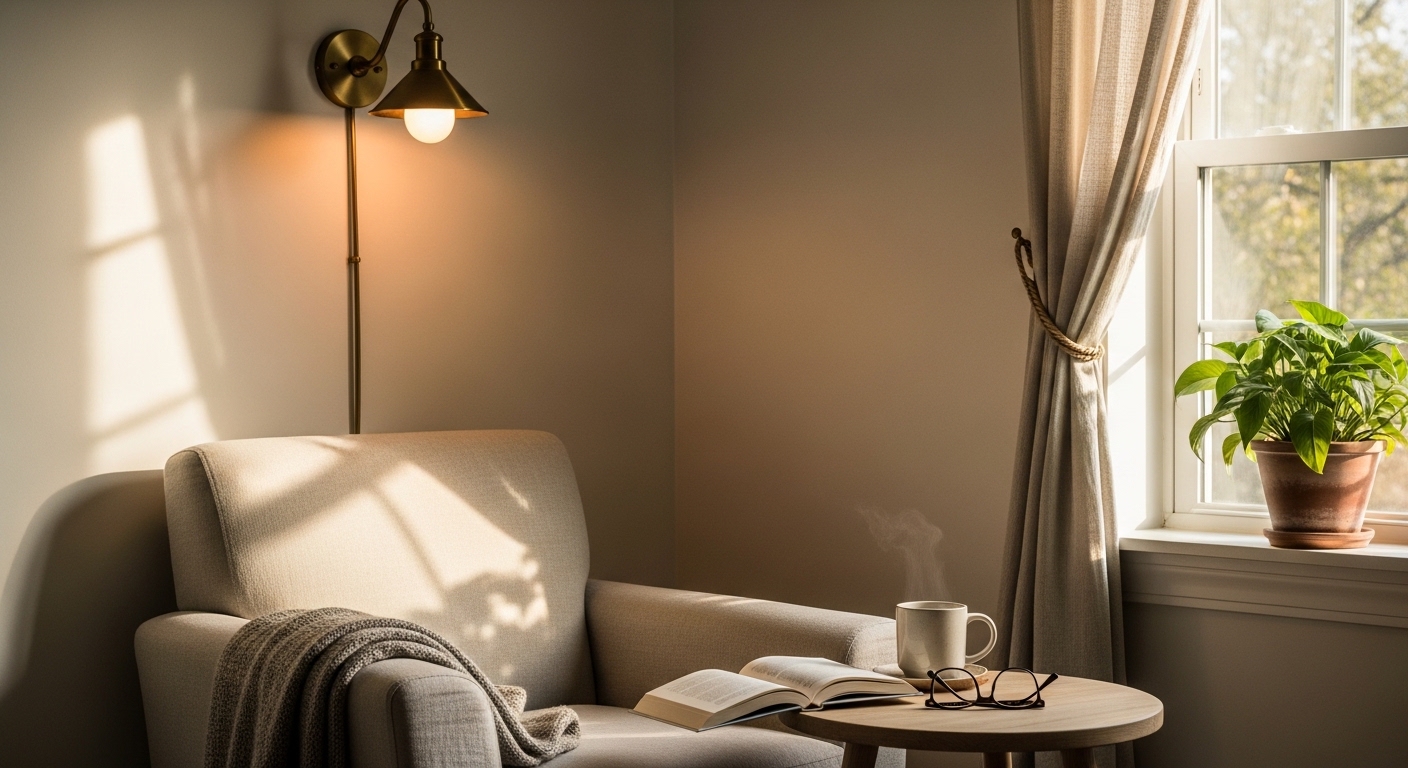
How to Make a Cottage Feel Hand-picked, Not Cluttered
A cottage can feel chosen and cozy or cluttered and overwhelming, sometimes the only difference is what the lighting emphasizes. Here is how I learned to edit both.
The Art of Intentional Spaces as an Empty Nester
Intentional spaces are not designed once and finished. They are made and remade as we change. Empty nesting is one of those moments of permission to start again.